Know Your Garden Before You Plant: Sun, Soil, Space, and Climate Explained
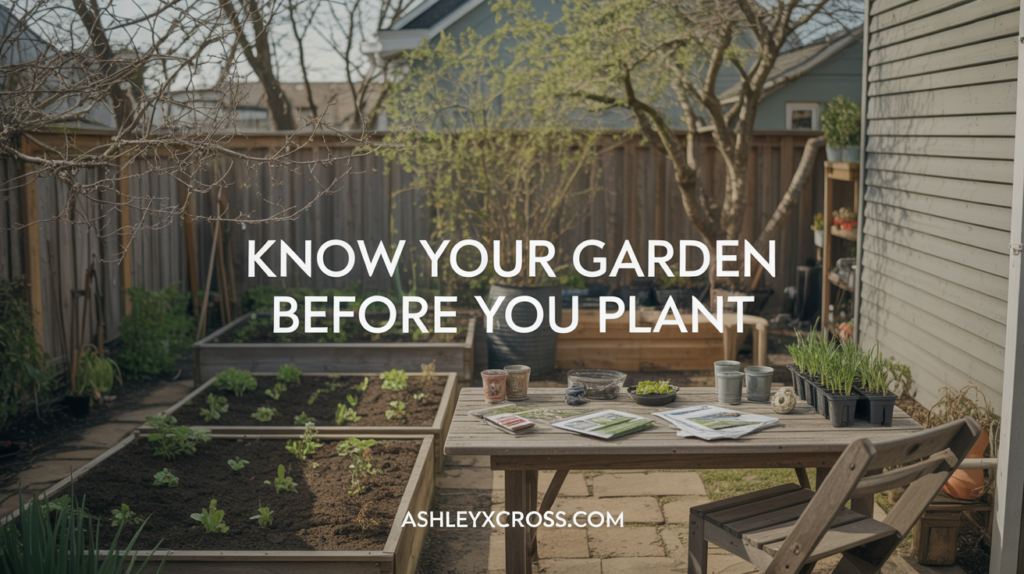
Before you buy seeds, build a raised bed, or imagine rows of thriving plants, there’s one step that matters more than all the others: understanding the environment your garden will live in.
Plants don’t fail because gardeners lack effort. They fail because they’re placed in environments that don’t support their biological needs. When you understand your garden’s sunlight, soil, space, and climate before planting, you move from guessing to growing with intention.
This guide breaks down the essential factors every beginner needs to understand—not in a technical or overwhelming way, but in a practical, realistic way that helps you work with your environment instead of against it.
Why Your Garden Environment Matters More Than the Plants
It’s tempting to start gardening by choosing what you want to grow. Tomatoes, herbs, flowers—those decisions feel exciting and tangible. But plants are not interchangeable decorations. Each one has evolved to thrive under very specific conditions.
Every plant depends on:
- Light for photosynthesis
- Soil for nutrients, water, and stability
- Space for roots and airflow
- Temperature patterns that match its life cycle
When any of these factors are out of balance, the plant struggles—no matter how much care you give it. This is why two gardeners can grow the same plant with completely different results.
Your goal as a beginner isn’t to master every plant. It’s to understand your environment well enough to choose plants that already want to grow there.
Understanding Sunlight (What “Full Sun” Actually Means)
Sunlight is the most misunderstood part of gardening. Many beginners assume that a “sunny area” is enough. In reality, plants respond not just to brightness, but to duration, intensity, and timing of sunlight.
What Sun Labels Really Mean
- Full sun: 6–8 hours of direct sunlight per day
- Partial sun / partial shade: 3–6 hours of direct sunlight
- Shade: Less than 3 hours of direct sunlight
Direct sunlight means the sun is hitting the plant without being filtered by trees, buildings, or overhangs.
Morning vs. Afternoon Sun
Morning sun is gentler and ideal for many plants. Afternoon sun is hotter and more intense. A garden that receives strong afternoon sun may dry out faster and stress plants that prefer cooler conditions.
How to Observe Your Sunlight
You don’t need tools to start—just attention.
- Observe your space at different times of day
- Note when sunlight arrives and leaves
- Track how many hours receive direct sun
This observation alone can save you from planting sun-loving plants in areas that will never support them.
Soil Basics (Without Turning It Into a Science Lesson)
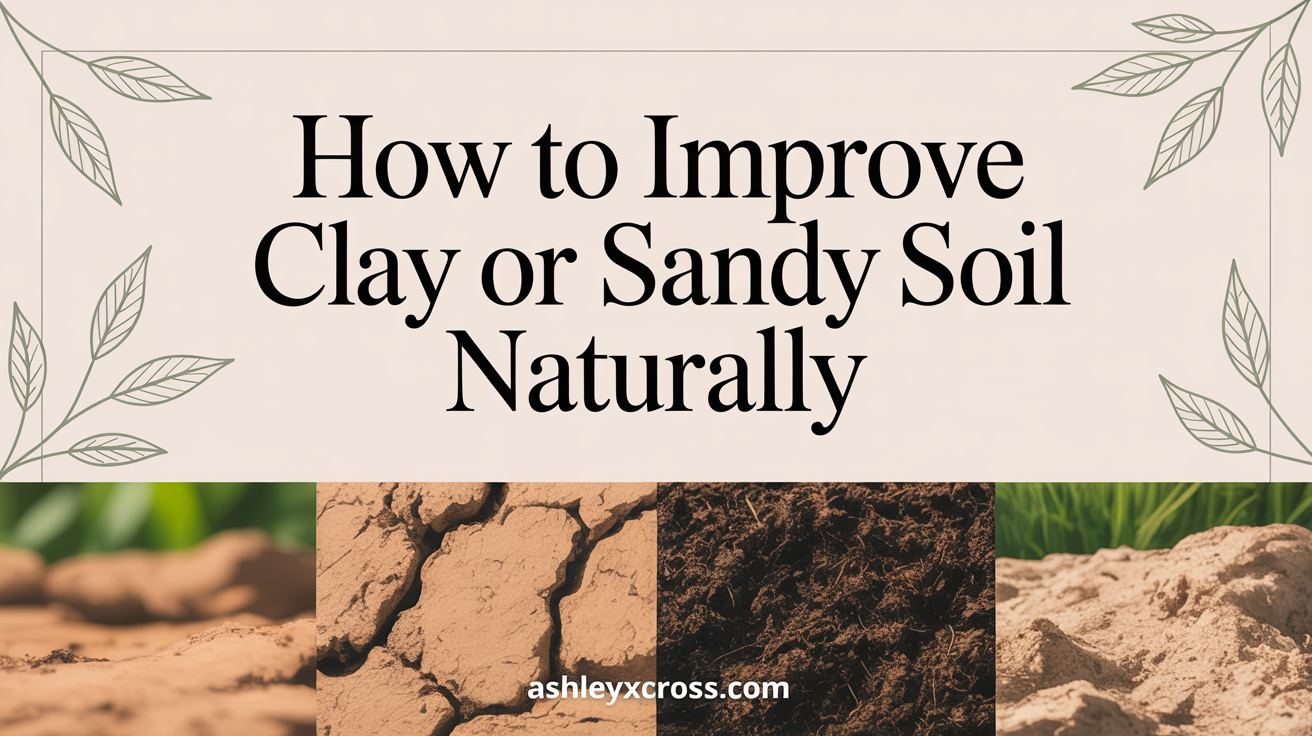
Soil is more than dirt. It’s a living system that stores water, delivers nutrients, and allows roots to breathe. Many gardening problems trace back to soil that holds too much water, drains too quickly, or lacks structure.
What Healthy Soil Does
Good soil:
- Retains moisture without becoming soggy
- Allows excess water to drain
- Provides nutrients slowly
- Supports root growth and airflow
Different Garden Setups, Different Soil Needs
- Containers: Require light, well-draining potting mixes
- Raised beds: Benefit from blended soils designed for structure and drainage
- In-ground gardens: Depend on native soil, which may need amendments
Using the wrong soil type is one of the fastest ways to frustrate yourself as a beginner.
A Simple Drainage Test
Dig a small hole and fill it with water. If it drains within a few hours, your soil likely has decent drainage. If it remains waterlogged the next day, drainage is an issue that needs addressing before planting.
Space, Roots, and Why Crowding Causes Problems
Plants don’t just grow above the surface. Below the soil, roots are expanding, absorbing water, and anchoring the plant. When space is limited, roots compete, airflow decreases, and disease becomes more likely.
Why Spacing Matters
Crowded plants:
- Compete for nutrients
- Dry unevenly
- Are more susceptible to pests and disease
Spacing recommendations aren’t suggestions—they’re based on how plants grow naturally.
Containers vs. Ground Space
Container gardening limits root growth but offers control. In-ground gardens allow roots to spread but require more planning. Neither is better; they simply demand different decisions.
Understanding root needs helps you avoid planting too much too close together—a very common beginner mistake.
Climate and Growing Zones (The Big Picture)
Climate affects when you plant more than what you plant. Growing zones are a tool to help gardeners understand average temperature patterns, not a strict rulebook.
What Growing Zones Tell You
Zones indicate:
- Average winter low temperatures
- Whether plants can survive year to year
- Approximate planting windows
They do not account for:
- Microclimates
- Wind exposure
- Heat retention near buildings
Microclimates Matter
A sunny wall, a sheltered patio, or a shaded corner can create conditions warmer or cooler than the surrounding area. Paying attention to these details allows you to use your space more effectively.
Pulling It All Together: Planning Before Planting
Sunlight, soil, space, and climate don’t exist separately. They work together to determine what your garden can realistically support. When you understand these elements as a system, gardening becomes far less stressful.
Instead of asking, “Why isn’t this plant growing?” you begin asking, “Is this the right place for this plant?” That shift alone changes everything.
What Comes Next
Now that you understand your garden’s environment, the next step is deciding what to grow—and how to start it. In the next post, we’ll break down one of the biggest beginner decisions: starting from seeds versus buying seedlings, and how to choose the option that fits your space, schedule, and experience level.
Final Thoughts
Gardening doesn’t reward rushing. It rewards observation, patience, and informed decisions. By learning your environment first, you’re building a foundation that supports everything else—stronger plants, fewer failures, and a more enjoyable experience overall.
This isn’t about doing more. It’s about doing things in the right order.